
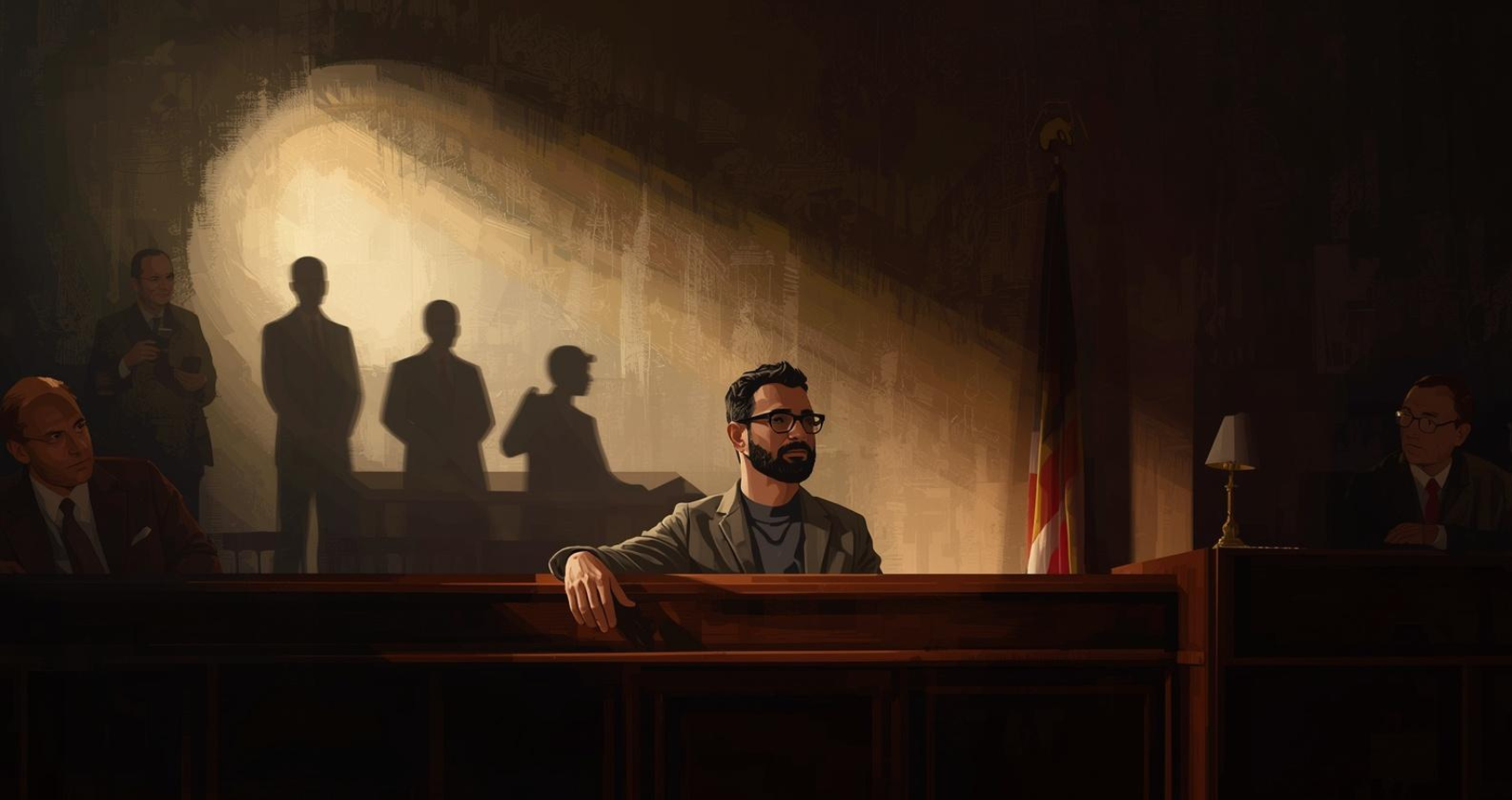
In every democracy, the state carries a difficult responsibility: protecting national security while also preserving individual freedoms. In India, one of the most debated laws in this context is the Unlawful Activities (Prevention) Act (UAPA). Supporters describe it as an essential weapon against terrorism and anti-national threats. Critics, however, argue that it is increasingly being used against activists, journalists, students, and dissenting voices.
This debate raises an important question:
Is UAPA primarily a security law, or has it become a tool against dissent?
Understanding UAPA
The UAPA was enacted in 1967 with the objective of preventing unlawful activities that threaten the sovereignty and integrity of India. Over time, especially after major terror incidents, the law was expanded to include strong anti-terror provisions.
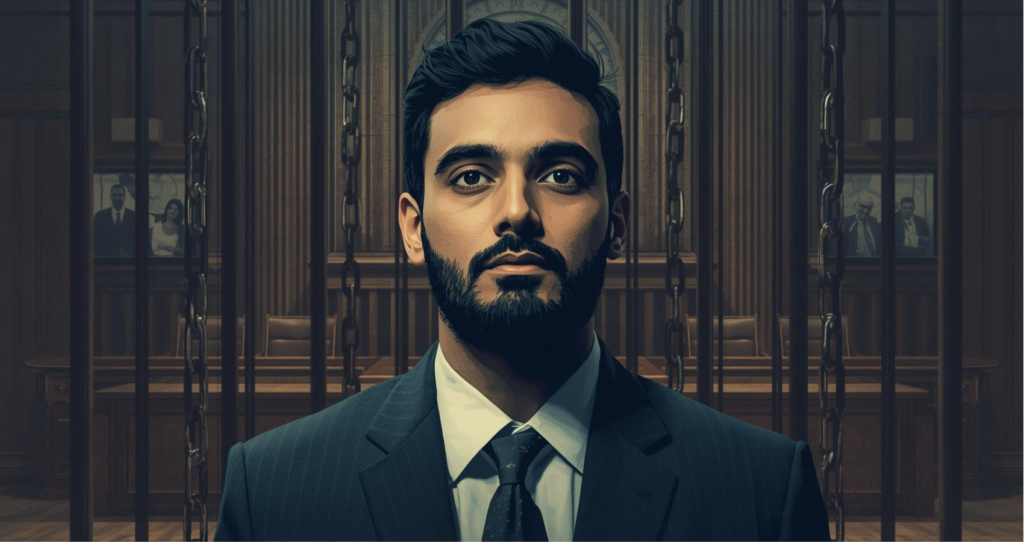
Today, UAPA allows authorities to:
- Detain individuals for extended periods,
- Conduct investigations with broader powers,
- Restrict bail under strict conditions,
- Designate individuals as terrorists without a formal conviction.
Supporters argue that such powers are necessary to combat organized terrorism and national security threats in a rapidly changing world.
Why Supporters Defend UAPA
India faces genuine security challenges, including terrorism, insurgency, cross-border extremism, and radicalization. From this perspective, governments need strong legal mechanisms to prevent attacks before they occur.
Those defending the law believe:
- Terror investigations are complex and time-sensitive,
- Conventional criminal laws may not be sufficient,
- National security sometimes requires preventive action,
- Strict laws can discourage extremist networks.
For many citizens, safety and stability remain a top priority, especially after incidents involving terrorism and violent extremism.
The Concerns Around Civil Liberties
Despite its security objectives, UAPA has become controversial because of allegations of misuse. Critics argue that the law’s broad definitions and strict bail conditions can lead to prolonged detention even before guilt is proven in court.
Several concerns are commonly raised:
- Long periods of imprisonment without conviction,
- Difficulty obtaining bail,
- Delays in investigation and trials,
- Use against protesters, academics, journalists, and activists,
- Fear of discouraging free speech and public criticism.
Human rights advocates argue that when individuals remain in jail for years before trial, the legal process itself can begin to feel like punishment.
Democracy and the Right to Dissent
In a democratic society, dissent plays an essential role. Public criticism, protests, debate, and activism are often considered signs of a healthy democracy rather than threats to it.
The Indian Constitution guarantees freedoms related to:
- Speech and expression,
- Peaceful assembly,
- Political participation.
Critics of UAPA argue that excessive use of anti-terror laws against dissenting voices risks creating fear and self-censorship. When citizens begin to fear legal consequences for criticism or protest, democratic participation may weaken.
At the same time, governments maintain that not every activity presented as “dissent” is harmless, especially when national security concerns are involved. This is where the debate becomes deeply complex.
The Due Process Debate
One of the central concerns surrounding UAPA is due process — the principle that every individual deserves a fair legal process before punishment.
Critics argue that:
- Bail provisions are unusually strict,
- Accused individuals often spend years awaiting trial,
- Conviction rates remain relatively low compared to arrests.
Supporters respond that anti-terror investigations require time and caution, and that security agencies must be empowered to act before violence occurs.
The challenge lies in balancing:
- Security,
- Liberty,
- Justice,
- Constitutional rights.
The Media and Public Perception
Media coverage also shapes the UAPA debate. High-profile arrests often generate strong public reactions long before court judgments are delivered.
This creates important questions:
- Can media narratives influence public opinion unfairly?
- Does public labeling damage reputations before conviction?
- Are legal debates becoming politicized?
In the digital era, information spreads rapidly, making it harder to separate legal facts from political narratives.
Finding the Balance
The real issue may not simply be whether UAPA should exist, but how it should be implemented.
A democratic system must:
- Protect citizens from violence and terrorism,
- Ensure accountability and transparency,
- Prevent misuse of extraordinary powers,
- Safeguard constitutional freedoms.
Strong security laws may be necessary, but public trust depends on fair application, judicial oversight, and respect for civil liberties.
Conclusion
The debate around UAPA reflects a broader global tension between national security and democratic freedom. While governments have a duty to protect the nation, democracies are also judged by how they protect rights, dissent, and due process during difficult times.
As India continues to evolve politically and socially, discussions around UAPA will likely remain central to conversations about democracy, justice, and constitutional values.
The question is not only how a nation protects itself — but also how it protects the freedoms that define it.