
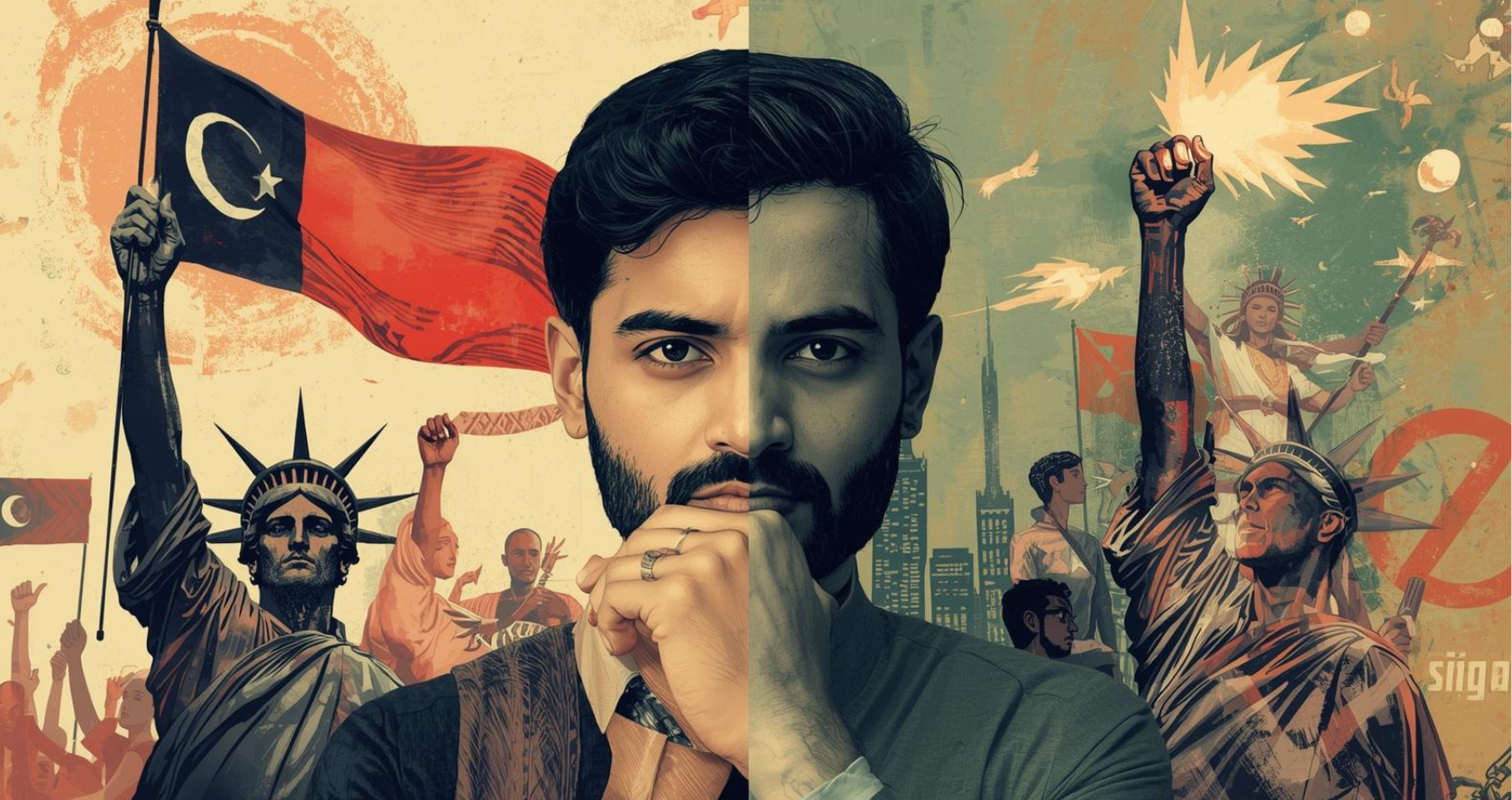
Civil liberties form the foundation of every democratic society. They protect individuals from the excessive use of state power and ensure freedoms such as speech, expression, privacy, religion, assembly, and equality before the law. In India, these rights are deeply rooted in the Constitution and are considered essential to the functioning of democracy.
However, in contemporary India, debates surrounding civil liberties have become increasingly intense. Questions related to free speech, digital surveillance, protest rights, media freedom, and the balance between national security and individual freedom continue to shape public discourse.
As India grows politically, economically, and technologically, the discussion around civil liberties has become more important than ever.
Understanding Civil Liberties
Civil liberties are basic freedoms guaranteed to citizens to protect them from arbitrary authority. In India, many of these rights are protected under the Fundamental Rights section of the Constitution.
These include:
- Freedom of speech and expression,
- Freedom of religion,
- Right to privacy,
- Freedom of assembly and protest,
- Equality before the law,
- Protection of life and personal liberty.
These liberties are not absolute and can be restricted under certain conditions such as public order, national security, and sovereignty. The challenge lies in determining where reasonable restriction ends and excessive control begins.
Freedom of Speech and Expression
Freedom of speech remains one of the most debated civil liberties in India today. Social media, digital journalism, political commentary, and online activism have expanded public participation in democratic discussions.
At the same time, concerns have emerged regarding:
- Legal action against critics and activists,
- Online censorship,
- Hate speech and misinformation,
- Pressure on independent journalism,
- Self-censorship due to fear of consequences.
Supporters of stronger regulation argue that unrestricted speech can spread violence, communal tension, and misinformation. Critics, however, warn that excessive restrictions may weaken democratic debate and discourage public criticism.
In a democracy, protecting both free expression and social harmony remains a delicate balance.
The Right to Protest
Public protest has historically played a major role in India’s democratic culture. From the independence movement to modern-day demonstrations, collective action has often shaped national conversations.
However, recent years have seen increasing debates over:
- Restrictions on public gatherings,
- Police action during protests,
- Internet shutdowns,
- Legal cases against demonstrators,
- Use of national security laws in protest-related cases.
Governments often justify restrictions in the name of maintaining public order and preventing violence. Civil rights advocates argue that peaceful protest is a constitutional right and an essential democratic tool.
The question remains: how can the state maintain order without discouraging legitimate democratic participation?
Digital Surveillance and Privacy
Technology has transformed governance, communication, and public life. But it has also created new concerns regarding privacy and surveillance.
In recent years, debates have intensified around:
- Data collection,
- Facial recognition systems,
- Phone and internet monitoring,
- Cybersecurity laws,
- Digital tracking technologies.
The Supreme Court of India recognized privacy as a fundamental right in 2017, marking a major constitutional development. Yet concerns continue regarding how personal data is collected, stored, and used.
Supporters of surveillance systems argue they are necessary for:
- National security,
- Crime prevention,
- Cybercrime investigations,
- Public safety.
Critics fear that weak oversight mechanisms could lead to misuse and reduce individual freedom in the digital age.
Media Freedom and Public Narratives
A free and independent media is often described as the “fourth pillar” of democracy. Media organizations play a critical role in questioning authority, informing citizens, and presenting diverse viewpoints.
However, contemporary debates include concerns about:
- Political influence on media,
- Declining press independence,
- Sensationalism and media trials,
- Online harassment of journalists,
- Concentration of media ownership.
The rise of social media has also changed how information spreads. While digital platforms have amplified voices, they have also increased misinformation, polarization, and algorithm-driven narratives.
Maintaining responsible journalism while protecting press freedom has become one of the biggest democratic challenges of the modern era.
National Security vs Individual Freedom
India faces genuine security challenges including terrorism, extremism, border tensions, and communal violence. Governments therefore argue that strong legal and administrative powers are necessary for maintaining stability.
Laws related to:
- Anti-terrorism,
- Sedition,
- Public order,
- Preventive detention,
often become part of civil liberty debates.
Critics argue that broad or vague legal powers may sometimes affect innocent individuals or discourage dissent. Supporters insist that security threats require proactive measures.
The real challenge lies in ensuring:
- Accountability,
- Judicial oversight,
- Transparency,
- Fair legal procedures.
Democracy requires both security and liberty — not one at the cost of the other.
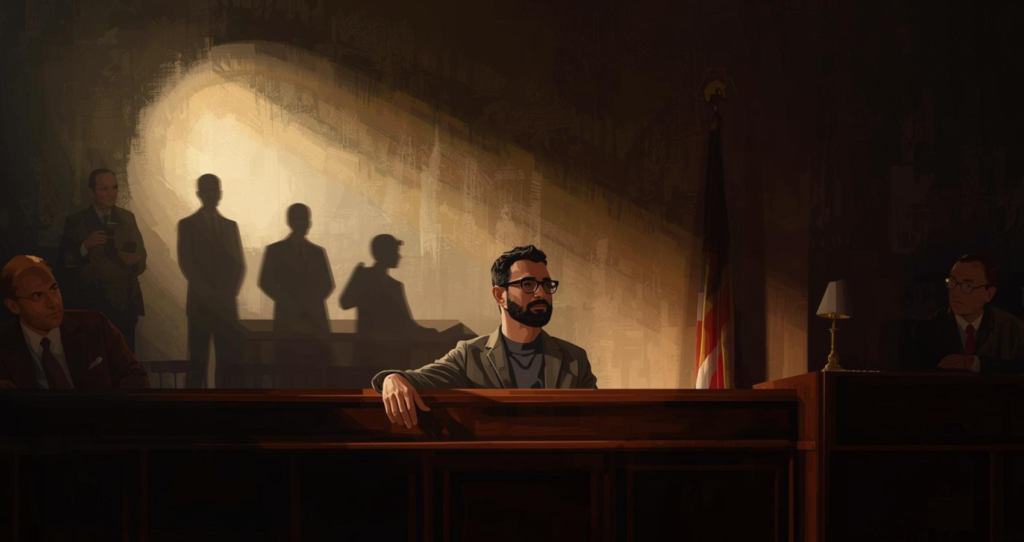
The Role of the Judiciary
India’s judiciary has historically played a major role in protecting civil liberties. Courts often act as a constitutional safeguard against arbitrary state action.
Landmark judgments on:
- Privacy,
- Free speech,
- LGBTQ+ rights,
- Personal liberty,
have strengthened democratic protections over time.
At the same time, concerns regarding delayed justice, case backlogs, and access to legal remedies continue to affect public trust in the system.
An independent and efficient judiciary remains essential for protecting constitutional freedoms.
Youth, Activism, and Democratic Participation
Young people today are increasingly active in discussions around equality, environment, gender rights, education, and governance. Social media has enabled faster mobilization and political awareness among citizens.
However, modern activism also faces:
- Online trolling,
- Legal pressure,
- Political polarization,
- Digital misinformation.
Despite these challenges, civic participation remains a sign of democratic engagement. Democracies become stronger when citizens actively participate in public conversations.
Conclusion
The debate around civil liberties in contemporary India reflects the evolving relationship between the state, citizens, technology, and democracy itself.
India’s constitutional framework provides strong protections for freedom and individual rights. Yet modern challenges — including digital surveillance, political polarization, national security concerns, and information warfare — continue to test these protections.
A healthy democracy depends not only on elections and institutions, but also on the everyday protection of civil liberties. The true strength of a democratic nation is measured not only by how it maintains order, but also by how it protects freedom, dissent, justice, and human dignity.
As India moves forward in the 21st century, the conversation around civil liberties will remain central to the future of its democracy.